Landscaping with Vines: A Beginner's Guide to Vertical Garden Design
Most gardens have far more vertical space than ground space. A fence panel, the side of a shed, a garage wall, the narrow strip beside a path — these are where climbers earn their keep. Used with a little thought, vines add height where a border feels flat, screen a view you would rather not look at, hide something ugly, and feed birds and pollinators without taking up a single square metre of soil.
Designing with climbers is not about buying the biggest plant in the garden centre and hoping. It is about matching a grower to a surface, then training it deliberately rather than letting it sprawl where it likes. Get that match right and a climber can be the hardest-working plant in the garden. Get it wrong and you will spend years fighting it, pruning it back from windows, or watching it sulk in the wrong light.
Start with the wall, not the plant
Before choosing anything, look hard at the surface. Which way does it face? How much sun does it get in midsummer, and how much in January? Is it brick, render, timber, or a flimsy panel that flexes in the wind? Does it already have cracks, damp patches or a gutter running along the top? Is there a drain, a downpipe or a window you need to keep clear? These details matter more than the colour of the flowers.
Then decide what you want the wall to do. Most climbers manage one or two of these well, and asking for all five is how plantings end up disappointing.
- Screen — blocking an overlooked window or a bin store.
- Cover — softening a plain boundary.
- Colour and scent — flowers at eye level, where you will notice them.
- Structure — an evergreen frame that holds the garden together in winter.
- Wildlife — nectar, berries and somewhere safe to nest.
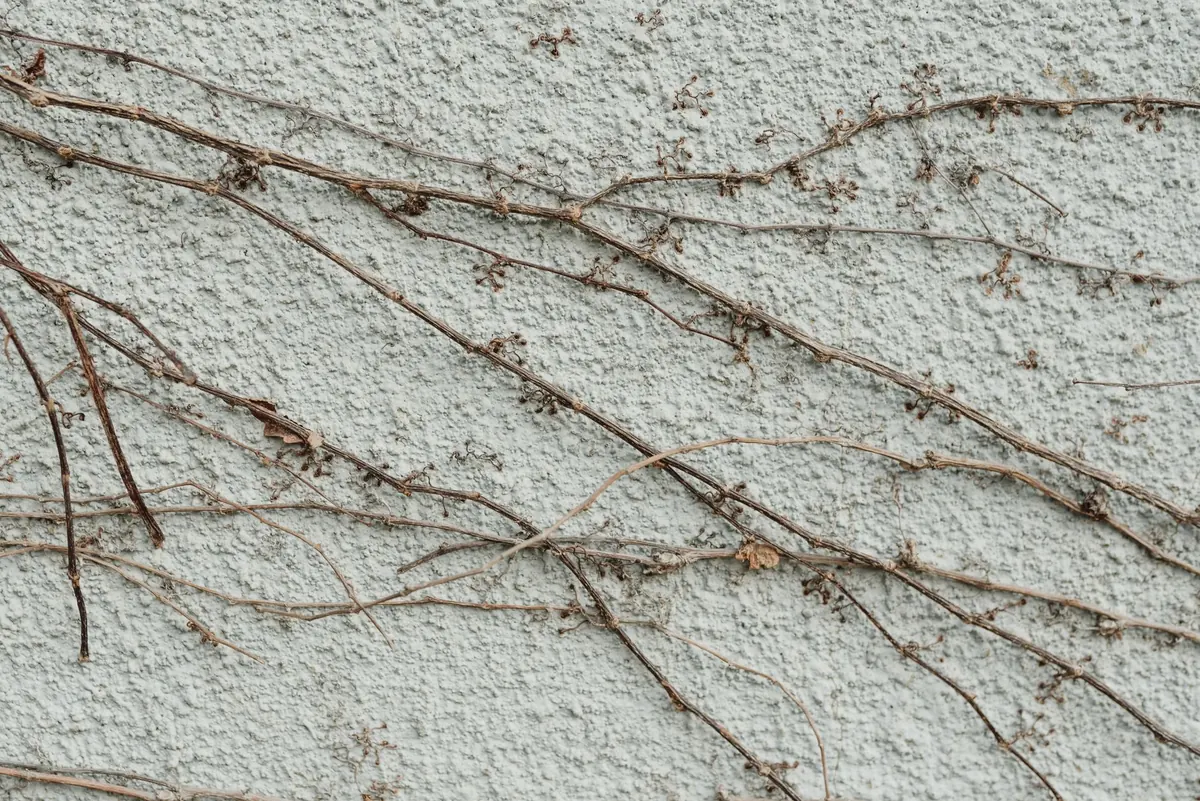
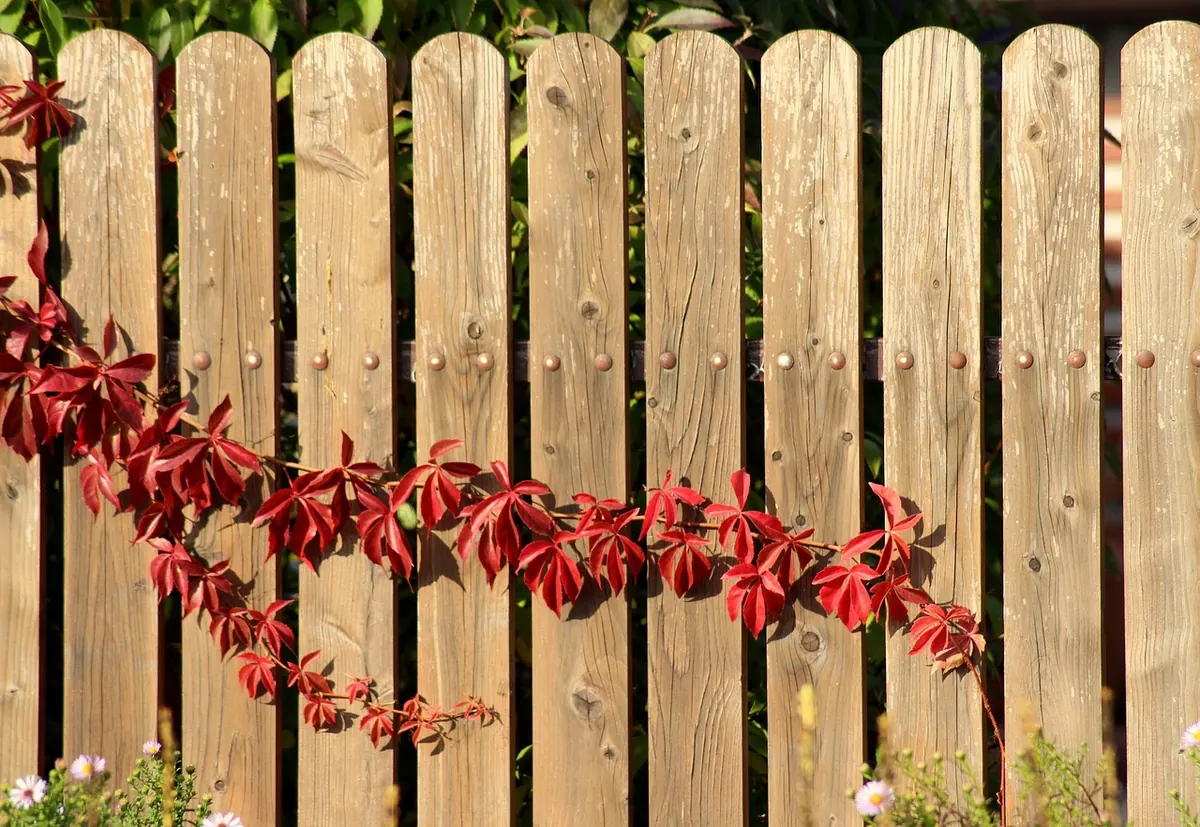
Self-clinging plants such as ivy, climbing hydrangea and Virginia creeper attach with aerial roots or suckers. They are excellent on sound brick and on fences, but keep them away from blown render, gutters and vents. If a wall has a structural problem, have it looked at by a surveyor before planting, because a mature climber makes any repair harder. On old or fragile walls, choose a freestanding obelisk or a wire frame set slightly away from the surface instead.
Know how your climber climbs
Climbers are not one group. They attach, twine or scramble in different ways, and that affects both the support you need and the maintenance you can expect.
- Self-clinging — ivy, climbing hydrangea, Virginia creeper. They need little or no support, but they grip tightly and can mark surfaces.
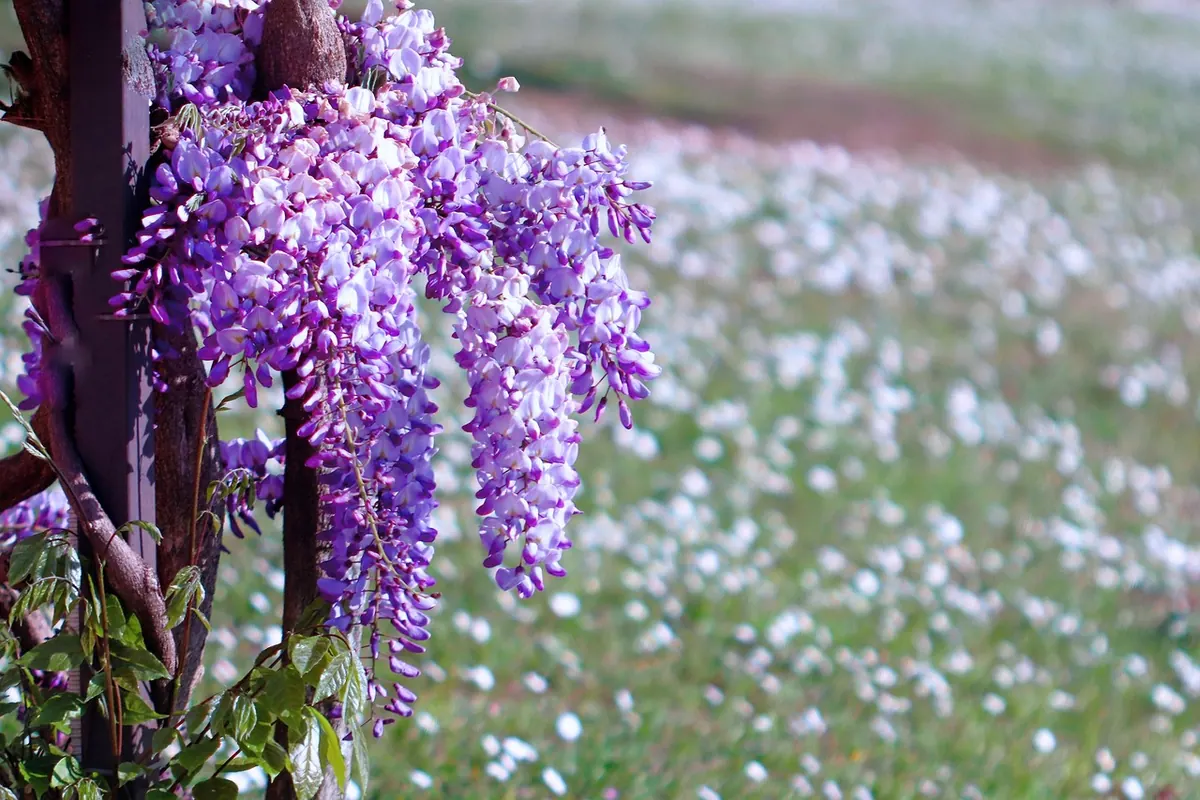
- Twining — honeysuckle, jasmine, wisteria. They wrap stems around a support, so they need wires, trellis or a sturdy frame.
- Tendril climbers — sweet pea, grape vine, some clematis. They grasp thin supports and are ideal for trellis, netting or obelisks.
- Scramblers — climbing roses and some brambles. They do not cling at all; they lean and hook, so they need tying in and a proper framework.
Matching climbers to aspect and situation
Sun and shelter decide more than taste does. A south- or west-facing wall is warm, bright and dry, and supports plants that sulk elsewhere: wisteria (which needs strong support and real space), star jasmine, passionflower and most climbing roses. These walls dry out fast, so plant 30–45cm from the base and lean the stems back towards the wall. The soil tight against a foundation is often in a rain shadow and bone dry.
North- and east-facing surfaces are cooler and often damper. That suits climbing hydrangea, ivy, Virginia creeper and honeysuckle, which flowers well with a few hours of morning sun. Clematis montana romps away on an east wall and covers it in spring. On a cold north wall, avoid tender plants such as passionflower and stick to tough evergreens and reliable spring performers.
Fences and free-standing structures are lighter and less sheltered than a wall. A timber panel overheats in full sun and can scorch foliage pressed against it, so twining climbers such as jasmine and honeysuckle are better given a trellis that holds them a few centimetres off the timber. In windy spots, choose flexible plants that bend rather than snap, and fix supports securely to posts rather than relying on the panel alone.
A few reliable pairings
- Sunny south wall: climbing rose with star jasmine, or wisteria on a heavy bespoke frame.
- East wall: Clematis montana with climbing hydrangea for spring and summer interest.
- North wall: ivy or Virginia creeper for cover, with a tough honeysuckle for scent.
- Fence or obelisk: sweet pea or morning glory for a quick annual screen while slower perennials establish.
- Small garden: a compact clematis or climbing hydrangea in a large pot with its own obelisk.
Support, planting and early training
Even self-clinging plants benefit from a little guidance at the start. For everything else, the support should go up before the plant goes in. Tensioned wires are neat and strong: use stainless-steel wire, eye screws and a turnbuckle so you can tighten it over time. Wooden trellis looks good but rots eventually; plastic-coated metal trellis lasts longer and is easier to clean. For heavy climbers such as wisteria, build a frame that can take real weight, because a mature plant can pull a flimsy trellis off the wall.
Planting is simple but easy to rush. Dig a hole at least twice the width of the rootball, improve the soil with compost, and set the plant so the base sits at the same level as it did in the pot. Angle the stems towards the wall rather than planting hard against it. Water thoroughly, mulch with bark or compost, and keep watering through the first two summers. Tie in young shoots loosely with soft twine, forming a fan or ladder of main stems rather than letting everything bunch at the bottom.
Train the plant you want, not the plant you get. A few minutes spent tying in shoots each week is worth more than a drastic prune once a year.
Pruning, aftercare and keeping control
Climbers are not low-maintenance by default; they are low-maintenance if you choose the right one and prune at the right time. Spring-flowering climbers such as Clematis montana and early honeysuckles are best pruned immediately after flowering. Summer-flowering types, including most climbing roses and wisteria, are usually pruned in late winter or early spring. If you are unsure, prune lightly after flowering and remove only dead, damaged or wayward growth.
Keep gutters, windows, doors and air bricks clear. A climber that reaches the roof is no longer a feature; it is a maintenance problem. Check ties and wires annually, especially after storms. Feed hungry flowering climbers in spring with a balanced fertiliser or a mulch of well-rotted manure, and water deeply during dry spells rather than little and often. In pots, use a soil-based compost and feed regularly, because nutrients leach out quickly.
Common beginner mistakes to avoid
- Planting too close to the wall, where the soil is dry and poor.
- Choosing a vigorous thug for a small space, then fighting it forever.
- Fixing a weak support and expecting it to hold wisteria or a mature rose.
- Letting climbers grow over windows, vents or gutters.
- Ignoring aspect and buying a sun-lover for a north wall.
- Forgetting that some climbers are toxic or thorny near paths and play areas.
None of this is complicated, but it does reward a little planning. Walk around your garden at different times of day, note which walls bake and which stay cool, then choose one or two climbers that suit those conditions. Add a sturdy support, plant them properly, and train them with purpose. Within a season or two, the plain vertical spaces that once seemed like a problem will become the most generous part of the garden.
Photo: Van3ssa_ / Pixabay